Minesweeper: Rules, Strategy & Demo Guide
Minesweeper is a grid-based game of measured risk: reveal safe tiles and avoid hidden mines as you decide whether to continue or stop. This guide explains the key terms, round rhythm, and sensible ways to approach the TotoOne title without promising a winning system.
The central choice in Minesweeper is how much uncertainty you are willing to accept during a single attempt. Check the rules and controls shown in the game before selecting a stake or opening the first tile.
Related card and chance games
If you want to compare other formats after learning Minesweeper, these nearby titles provide a different pace. Game cards use the same TotoOne game-launch action.

What each Minesweeper round asks you to decide
Start with the instructions. Minesweeper presents a field of covered tiles and a risk decision. The exact board size, mine count, stake options, payout display, and end-of-round controls can vary by game version, so treat the on-screen rules as authoritative rather than assuming every version behaves identically.
Read the board as an exposure choice. A revealed tile changes what remains concealed; it does not guarantee that the next tile is safe. Before acting, understand which control reveals a tile, which one confirms a choice, and whether the game offers a way to collect an outcome before continuing.
Keep the objective simple. The experience is about managing a sequence of choices, not spotting a reliable pattern in previous rounds. Earlier results do not predict the hidden arrangement of a new round.
A careful strategy for Minesweeper
Set limits before the first tile
Decide in advance how much time and money you are comfortable spending for entertainment. Choose a stake that leaves room for a short session, and stop when your personal limit is reached. Do not increase the next stake to recover a loss or to repeat a prior result.
Know your stopping point
If the game displays a collect or cash-out option, learn when it is available and what confirming it does before starting. A stopping rule can help keep decisions deliberate, but it cannot improve or guarantee the result. Use the published rules to understand settlement, and avoid rushing into another reveal simply because the last one was safe.
Avoid pattern-based assumptions
A sequence of safe or losing results is not evidence that the next hidden tile has changed. Treat every new round as uncertain. If you feel pressure to chase a result, pause and leave the game rather than changing your plan mid-session.
Inside the Minesweeper grid and game feel
Minesweeper keeps attention on a compact grid. Covered squares create suspense because the player must choose what to reveal without knowing what is underneath. The simple board presentation makes the pace feel immediate, while the repeated decision points encourage a pause between actions.
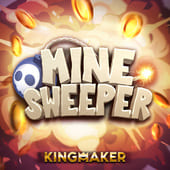
The game artwork on this page is the title icon rather than a captured live round. For a real preview, use the in-game interface and inspect how it labels hidden and revealed spaces. Do not infer board odds, multiplier steps, or special features from an icon or from another game's rules.
When considering the wider totoone online casino, keep Minesweeper's short, choice-driven rhythm distinct from a table session or a longer slot round. Compare options by their own instructions and limits, not by a shared label or visual style.
Minesweeper terms worth knowing
Grid
The board of selectable spaces. Its dimensions and the number of hidden hazards are defined by the active game's settings or rules.
Mine
A hidden hazard that ends or affects a run according to the displayed rules. The exact effect should be checked in the current game before play.
Reveal
An action that uncovers a selected tile. Once a tile is revealed, that information may affect the current round, but it does not reveal the location of every remaining mine.
Cash out or collect
If the current version provides this option, it means ending the sequence to settle the displayed result. Availability, timing, and settlement are determined by that game's rules.
Understanding these terms makes it easier to use the controls calmly. When a label is unclear, consult the in-game help rather than guessing.
Is Minesweeper right for a first visit?
Minesweeper can suit players who like brief rounds and clear, repeated choices. It may feel less comfortable if uncertainty encourages you to act quickly or chase losses. A sensible first visit means reading the rules, checking whether a no-stakes practice option is available, and setting an exit point before the game begins.
A Minesweeper Demo can be useful for learning the board and button flow if the title offers a practice mode in your region. Demo access is not guaranteed, and practice outcomes do not predict real-money results. If you cannot find a no-stakes mode, review the instructions without wagering instead.
The phrase totoone Minesweeper identifies the title within the site's games collection; it should not be read as a claim that one strategy or access route changes the random outcome. Before using any totoone app download apk option, rely on the official site navigation and check the source and device security prompts. If comparing account access information, start from the Totoone Live Games overview to understand other available formats.
Minesweeper: the short answer
Minesweeper is a grid-based risk game in which you reveal tiles while avoiding hidden mines. The best way to approach it is to understand the specific board and settlement rules, choose a limit before starting, and stop rather than chasing a result. No sequence of clicks guarantees a win.
If you want a different visual pace, Mega Fishing shifts attention to a fishing theme, while Golden Genie offers a different slot-style presentation. Each title has its own rules; these links are for browsing, not a prediction of which game will pay.
Play only where permitted, keep entertainment spending within your means, and take a break if the session stops being enjoyable.
Ready to explore Minesweeper?
Review the rules and decide on your limits before choosing whether to open the game.